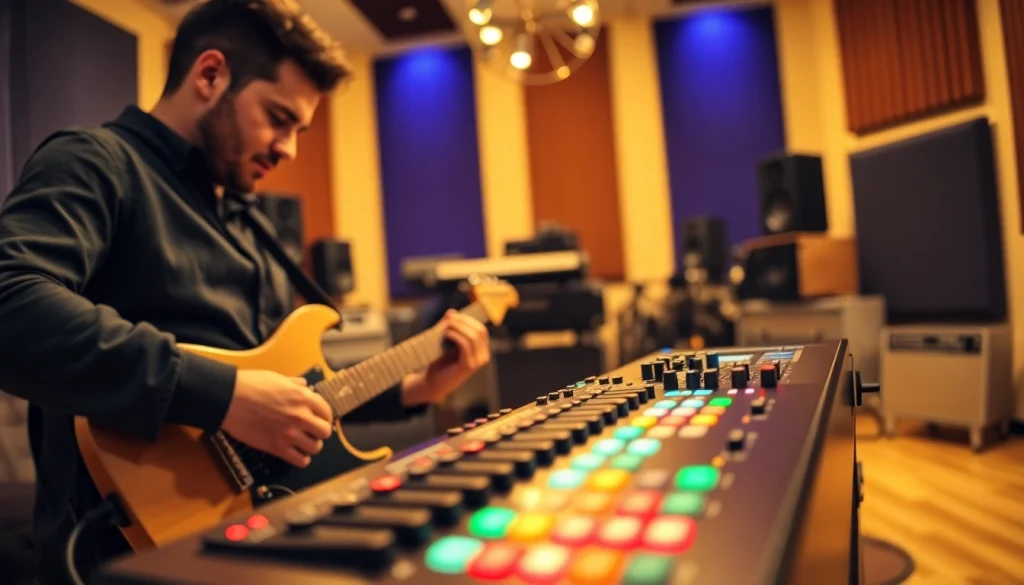
The Evolution of the VG99 Guitar Modeling System
The VG99, developed by Roland, stands as a significant milestone in the world of guitar modeling technology. Launched in the mid-2000s, it introduced a revolutionary approach to sound manipulation for guitarists by blending traditional instrumental performance with modern digital audio processing. This dual-engine system offers not only an extensive range of guitar sounds but also unique effects and capabilities that empower musicians to experiment creatively. For those unfamiliar with the VG99, it serves as more than just an effects unit; it’s a comprehensive guitar modeling system designed to redefine performance standards and expand sonic possibilities. Musicians seeking to explore the depth of this innovative equipment can visit VG99 for further details.
Overview of the VG99 Features
The VG99 boasts a multitude of features that cater to diverse playing styles and sonic preferences. Its most standout characteristics include:
- Dual Processing Engines: Two independent audio processing engines allow simultaneous output of different sounds, significantly enhancing the performance capability.
- Varied Sound Models: Offers emulations of various guitar models, amplifiers, and effects, enabling musicians to achieve a vast array of tones.
- MIDI Capability: Guitar-to-MIDI technology expands creative avenues, allowing guitarists to control synthesizers and other MIDI devices directly.
- Integrated USB: Through its USB connection, users can easily interface with computers for recording, editing, and enhancing their audio production capabilities.
- Touch-Sensitive Ribbon Controller: This feature enables expressive pitch bending and modulation control, adding a dynamic layer to performances.
The Technology Behind the VG99
At the core of the VG99 is a combination of advanced digital signal processing (DSP) and proprietary modeling technology. This unique approach allows the VG99 to accurately simulate acoustic and electric guitar sounds. The dual processing engines work in concert to blend sounds seamlessly, which is essential for live performances where responsiveness and versatility are crucial.
One of the most fascinating aspects of the VG99 is its ability to emulate alternate tunings and unconventional instruments. This capability is powered by Roland’s COSM (Composite Object Sound Modeling) technology, which replicates the sound and behavior of various guitars and amplifiers with astounding realism.
Market Impact and User Adoption
Since its release, the VG99 has garnered attention from a wide spectrum of users, ranging from amateur guitarists to professional musicians. Its innovative features have attracted attention in various genres, including rock, jazz, and electronic music. Notably, many well-known guitarists have endorsed it, contributing to its rise in popularity. The VG99’s unparalleled versatility and reliability have established it as a staple in both studio and live performance settings.
As guitarists increasingly seek out gear that can adapt to their creative needs, the VG99 remains a key player in the market, driven by its technological advancements and the lasting legacy of the Roland brand.
Getting Started with the VG99
Setup and Installation Guide
Setting up your VG99 is straightforward, but a thorough understanding of the connections and configurations is essential. Start by connecting the VG99 to your guitar using the provided 13-pin cable to the GK pickup. Then, link the VG99 to your amplifier or sound system using standard 1/4-inch TRS cables. The USB port can also be connected to a computer for further audio manipulation and recording options.
After connecting, power the device on and navigate through the interface, which features a clear LCD screen. Familiarize yourself with the menu, where you can select different presets, adjust parameters, and customize settings.
Basic Functions and Usage Tips
Once set up, the VG99 offers a variety of basic functions that are easy to access. Here are some tips to get you started:
- Explore Presets: The VG99 comes with numerous pre-programmed sounds; experimenting with these can provide a good starting point for your unique sound design.
- Modify Effects: Use the onboard effects to tweak settings like reverb, delay, and distortion, tailoring the output to fit your style.
- Save Custom Settings: After modifying a sound to your liking, be sure to save the custom patch. The VG99 allows users to store a number of personalized settings easily.
Common Challenges and Solutions
Like any advanced technology, the VG99 may present certain challenges to users. Here are common issues and practical solutions:
- Signal Interference: Ensure that your connections are secure and that you are using quality cables. If using wireless systems, check for proper frequencies and avoid crowded bandwidths.
- Complex User Interface: Spend time with the user manual and instructional videos online. Familiarization will ease navigation through the various sounds and effects.
- Software Compatibility: Occasionally, users may experience connectivity issues with certain software. Make sure you have the latest updates installed, which can be found on the official Roland support page.
Advanced Applications of the VG99
Creative Sound Design Techniques
The VG99 excels in creative sound design, allowing musicians to break away from traditional norms. Consider these techniques:
- Layering Sounds: Utilize the dual engines to layer different guitar models and effects, creating rich, complex sounds.
- Custom Tunings: Switch between various tunings for different songs without physically retuning your guitar. This feature is perfect for live performances where quick changes may be necessary.
- Experiment with MIDI: Connect to MIDI devices to trigger electronic music elements, enriching your performances with synthesized sounds.
Integrating VG99 with Other Gear
One of the VG99’s strengths lies in its ability to integrate seamlessly with various gear. Here are some integration tips:
- Use with Other Effects Pedals: You can place other effects pedals in the chain before or after the VG99, depending on the desired outcome.
- Connect to Digital Audio Workstations (DAW): With USB connectivity, you can easily communicate with your DAW for production, editing, and mixing.
- Synchronize with Drum Machines: Connect to drum machines via MIDI to keep your rhythm consistent and create fuller arrangements.
Live Performance Insights
For live applications, the VG99 has several advantages that can enhance stage presence:
- Dynamic Control: Use the onboard expression pedal to control effects such as volume, wah, and whammy in real-time.
- Backing Tracks: Pre-record sections of your songs and mix them with live playing for a fuller sound without needing additional musicians.
- Presets Management: Organize your vocal and instrumental presets based on your set list for easy access during performances.
Exploring the VG99 Community
Resources for Learning and Sharing
The VG99 community is vibrant and filled with resources for musicians looking to maximize their experience:
- Tutorial Videos: Numerous content creators share their tips and tricks on platforms like YouTube, covering everything from basic setups to advanced sound design.
- Original Sound Libraries: Many users share their custom patches and sound banks, providing inspiration and a collaborative atmosphere.
- Documentation and Manuals: Access official manuals from Roland’s website to enhance understanding and troubleshooting of the VG99 features.
Forums and Support Networks
Engaging with forums like the VGuitar Forums can connect you with experienced users who share insights and solve common problems. Members often share their experiences and sound settings, making it a treasure trove for anyone looking to get the most out of their VG99.
Notable Performances and Feedback
Many famous guitarists have utilized the VG99 in their setups, leading to remarkable performances that pushed the boundaries of guitar music. Watching videos of live performances showcases the VG99’s incredible capabilities and demonstrates how it can enhance musical creativity. Many users have provided feedback praising its versatility and sound quality, making it a favorite among both amateur and professional musicians.
Future of Guitar Modeling: What’s Next After VG99?
Comparative Analysis with Other Models
As technology continues to advance, many other guitar processors and modeling systems have emerged, leading to comparisons between the VG99 and these new entrants. Technologies used in competitors often focus on improved latency, expanded effects options, and enhanced MIDI integration. Models like the SY-1000 offer advanced features that might challenge the VG99, providing alternative routing and effects.
Rumors About Successor Units
As the VG99 enjoys its longevity, whispers regarding potential successors have begun to surface. Many in the music community speculate that advancements in computational audio processing and machine learning could significantly elevate the next generation of guitar modeling systems, potentially unleashing entirely new sound possibilities.
Emerging Technologies in Guitar Effects
Upcoming technologies, such as artificial intelligence-driven sound design, may lead to groundbreaking developments in guitar modeling. Features could include real-time sound adaptation based on the player’s style or even instantaneous variations in tone based on the set environment. As these technologies develop, they promise to reshape the future of guitar performance, paving the way for innovative sounds that continue to push the boundaries of creativity and musical expression.